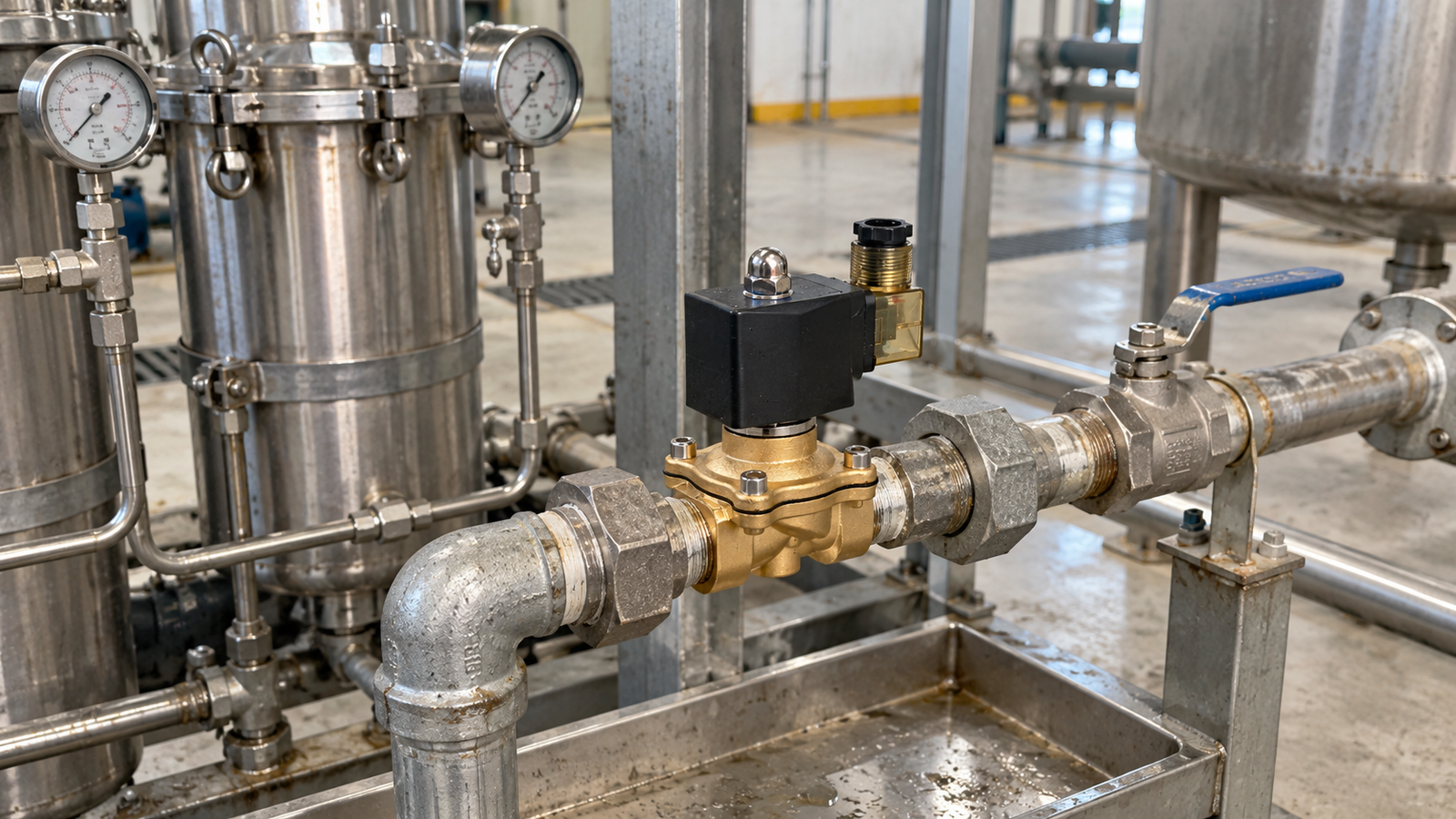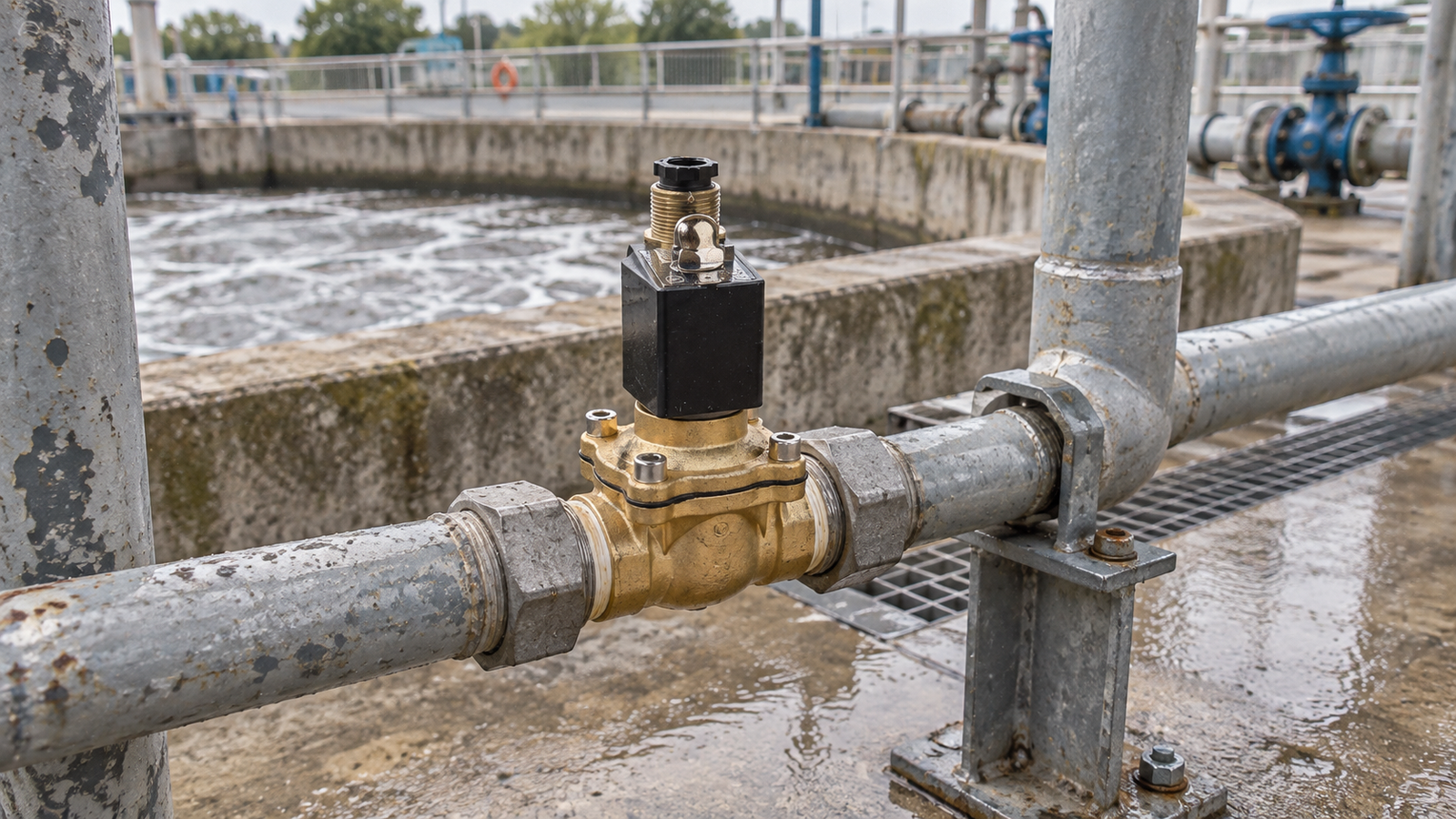
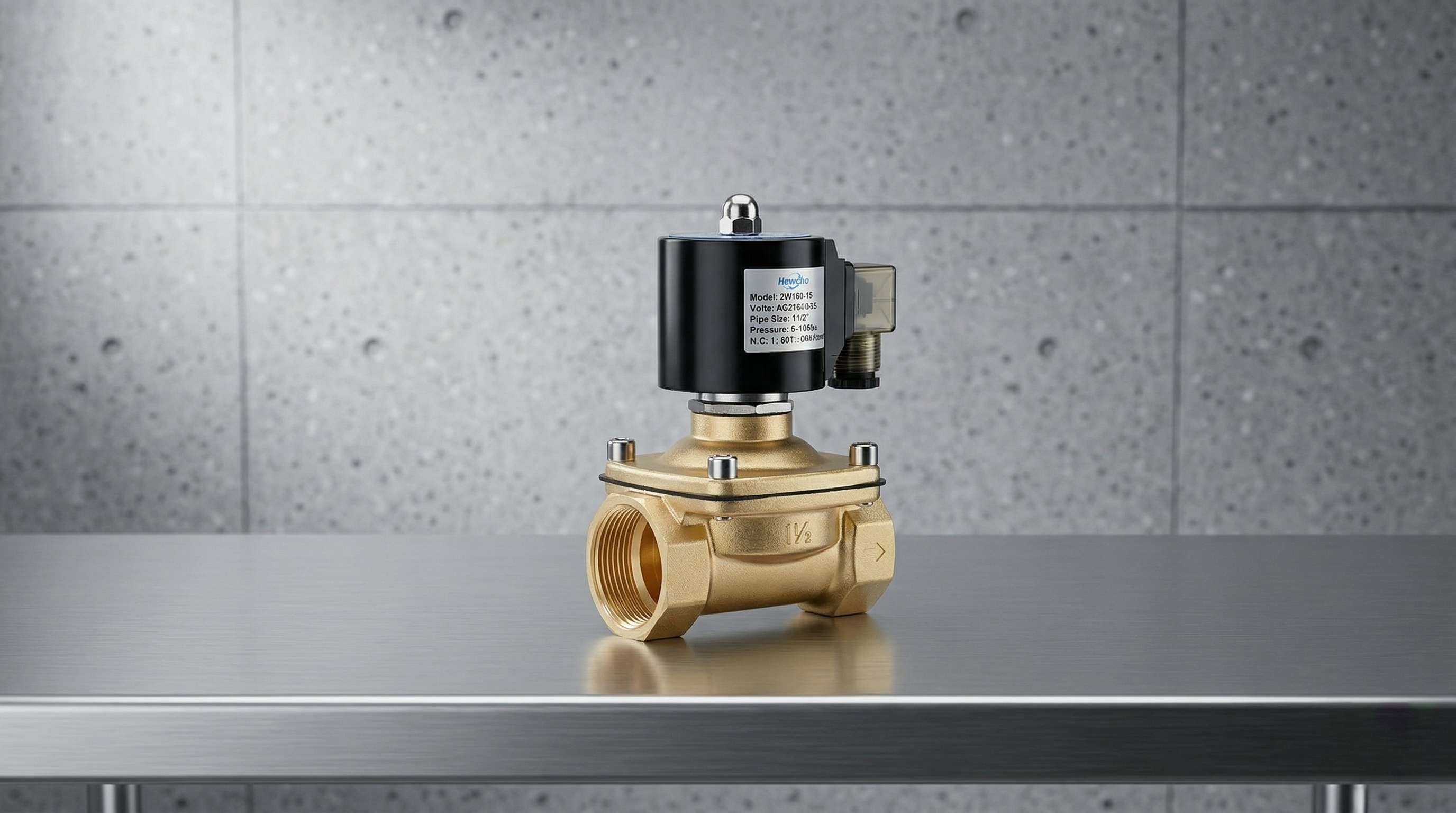
For fluid control systems requiring reliable performance across a variety of media, finding a “one-size-fits-all” solution is notoriously difficult. However, the 2W Series Large Diameter Brass Solenoid Valve comes incredibly close. Known for its robust construction and adaptable configurations, this semi-direct acting valve is a staple in modern industrial automation, agriculture, and commercial plumbing.
Whether you are managing municipal water lines or routing light industrial oils, understanding the capabilities of the 2W series can help you streamline your inventory and solve complex flow control challenges.
The Semi-Direct Acting Advantage
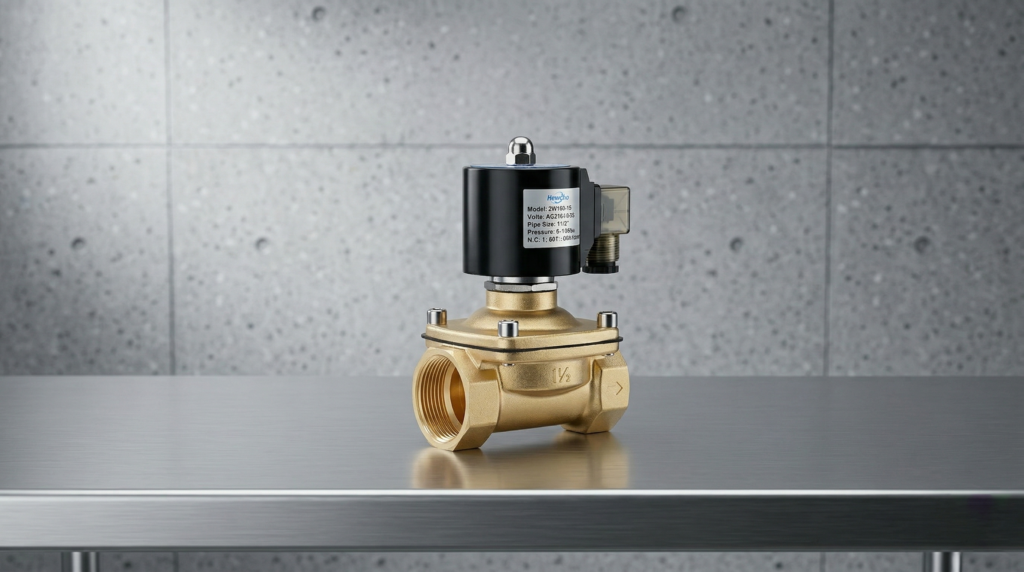
One of the standout technical features of the 2W Series is its semi-direct acting (also known as assisted-lift) mechanism.
Unlike purely pilot-operated valves that require a minimum pressure differential to open, or direct-acting valves that struggle with high flow rates, the semi-direct design offers the best of both worlds. The coil directly lifts the diaphragm to initiate flow, while also utilizing the line pressure to fully open the main orifice.
What does this mean for your system? It means the valve can operate seamlessly from 0 bar (gravity-fed systems or closed-loop draining) up to 10 bar for normally closed configurations, making it incredibly versatile across both low-pressure and high-pressure applications.
Sizing for Maximum Throughput
Flow capacity is a critical metric for engineers and contractors. The 2W series is engineered for high-volume throughput, featuring large internal orifices that minimize pressure drops.
Available in connection sizes ranging from 3/8″ up to a massive 2″, and corresponding orifice sizes from 16mm to 50mm, these valves are capable of handling significant fluid volumes. With standard G-Thread and NPT-Thread options, they integrate easily into almost any existing international piping infrastructure.
Tailoring to the Media: The Importance of Seal Selection
A brass body provides excellent durability and corrosion resistance for general applications. However, the true adaptability of the 2W series lies in its interchangeable sealing materials. Selecting the correct elastomer is critical for preventing leaks and ensuring long-term reliability:
- NBR (Standard): Ideal for standard ambient applications (-5 to 80°C). NBR is highly effective for air, neutral gases, water, and light oils.
- EPDM: The go-to choice when temperatures rise. EPDM can handle hot water, certain gases, and Freon up to 110°C. (Note: EPDM should never be used with petroleum-based oils).
- Viton (FKM): The premium option for harsh chemical environments. Viton withstands hot water, light acids, alkalis, chemical salts, and hydrocarbons, operating safely at temperatures up to 130°C.
Built for Demanding Environments
Industrial environments are rarely pristine. Dust, moisture, and fluctuating power supplies are constant threats to electrical components.
The 2W series mitigates these risks with a standard IP65 / IP54 protection class, ensuring the coil housing is tightly sealed against dust ingress and low-pressure water jets. Furthermore, with wide voltage compatibility—ranging from AC220V and AC110V down to DC24V and DC12V—these valves can be deployed in everything from heavy manufacturing plants to remote, battery-operated irrigation systems.
Conclusion
The 2W Series Large Diameter Brass Solenoid Valve is more than just a component; it is a highly adaptable fluid control solution. By combining a semi-direct acting mechanism with heavy-duty brass construction and customizable seal options, it drastically reduces the need to stock dozens of hyper-specialized valves. For engineers and distributors alike, it is the definition of industrial reliability.