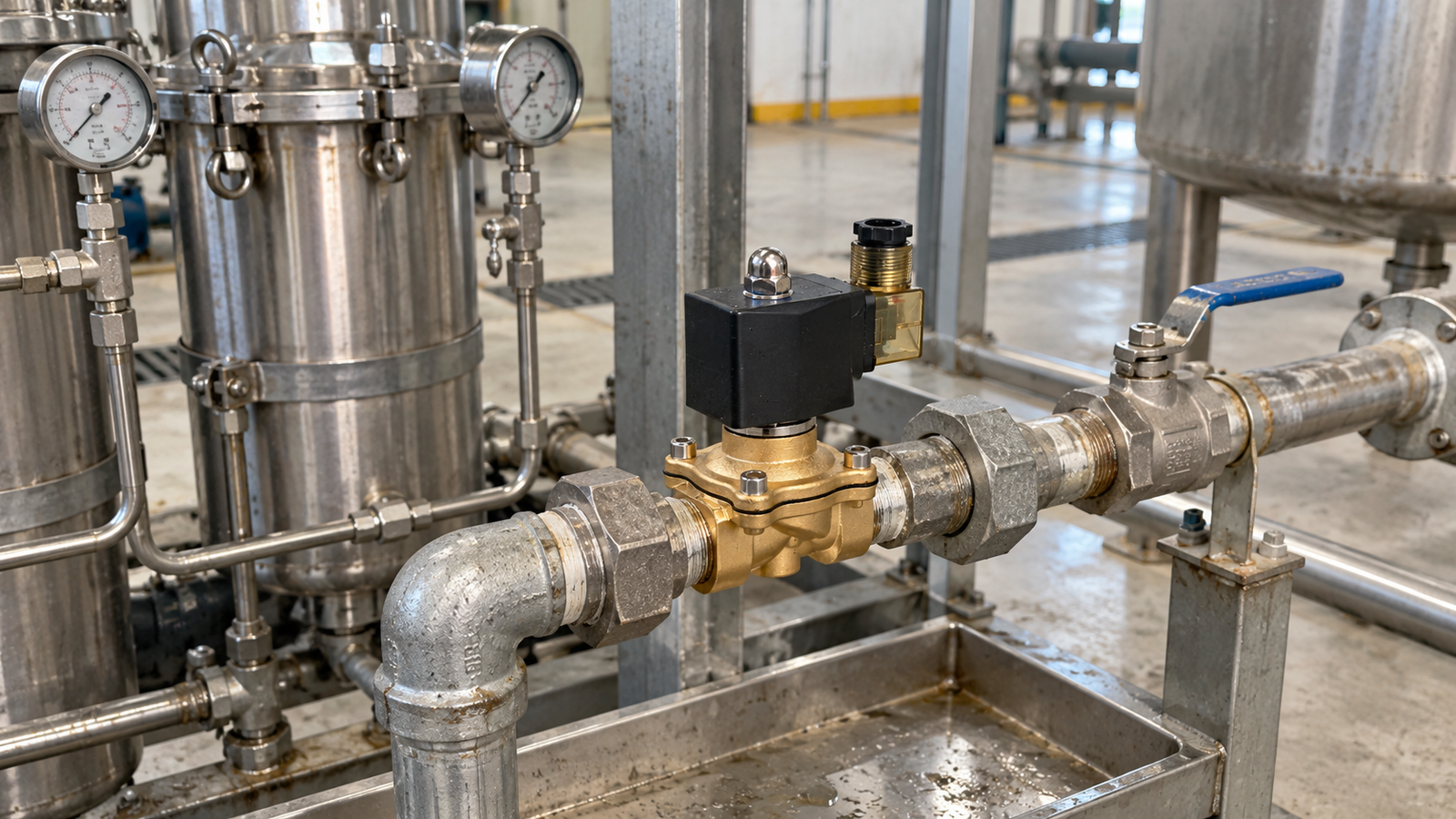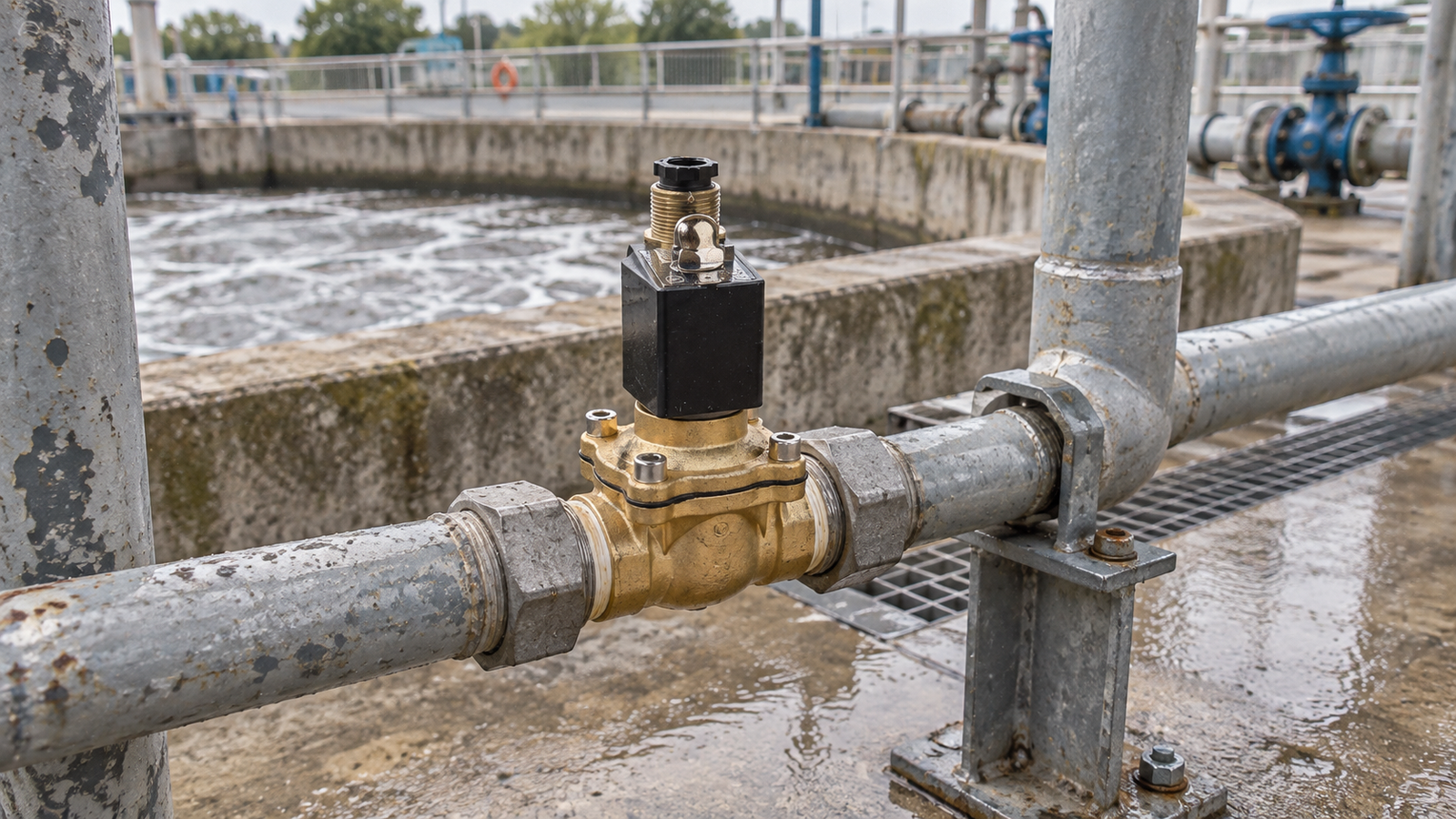
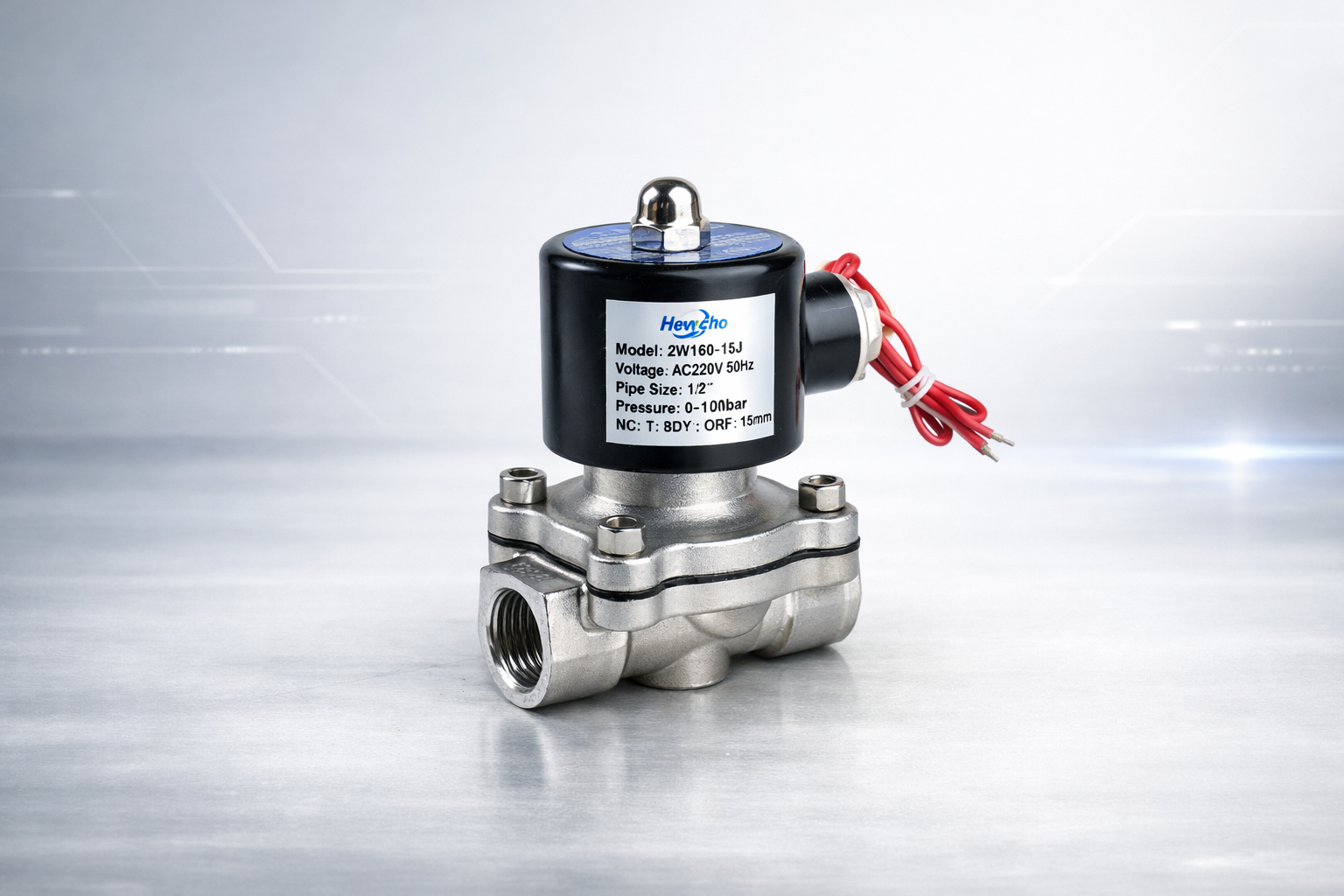
Solenoid valves are widely used in industrial automation systems. While they are reliable components, proper maintenance is essential to ensure long service life and stable performance.
Without regular inspection and cleaning, solenoid valves may suffer from leakage, slow response, or complete failure.
In this guide, we explain simple maintenance practices that help extend the lifespan of industrial solenoid valves.
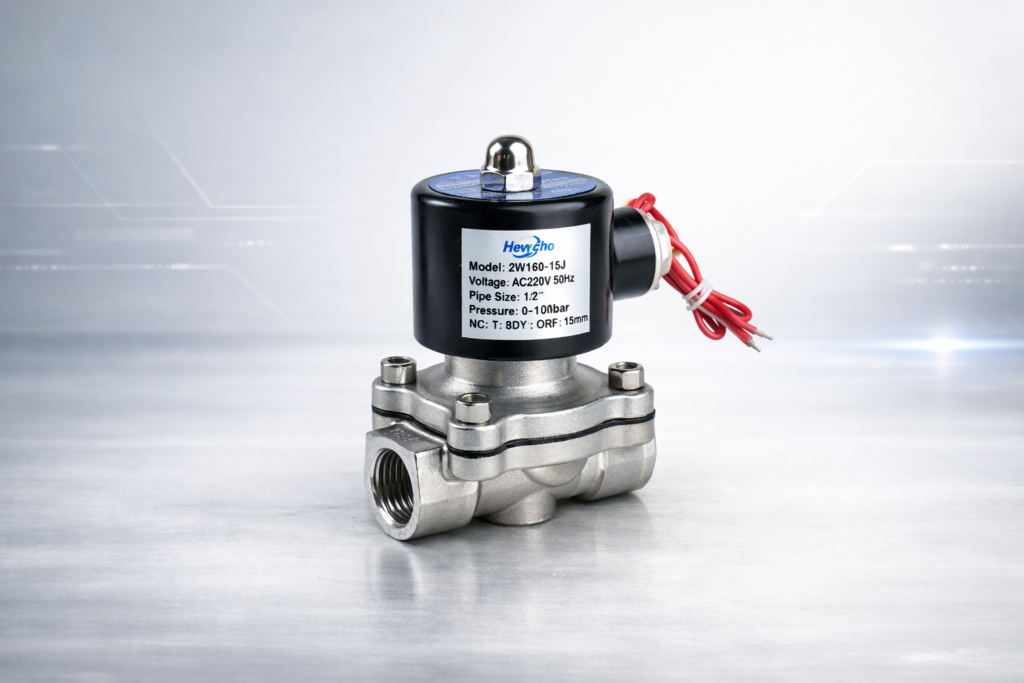
1. Keep the Fluid Clean
Contamination is one of the most common causes of solenoid valve failure.
Particles such as dirt, rust, or debris can block internal passages or damage seals.
To prevent this:
- Install a filter or strainer before the valve
- Flush pipelines before installing new valves
- Perform periodic cleaning in systems with dirty fluids
Clean media significantly improves valve reliability.
2. Inspect the Coil Regularly
The coil is the electrical component that activates the valve.
Common coil problems include:
- Overheating
- Insulation damage
- Incorrect voltage supply
Regularly check:
- Voltage stability
- Wiring condition
- Coil temperature during operation
If the coil becomes excessively hot, it may indicate incorrect voltage or continuous energizing.
3. Check Seals and Diaphragms
Internal seals and diaphragms experience wear over time.
Signs of seal wear include:
- Internal leakage
- Reduced flow control
- Delayed valve response
Replacing seals periodically helps prevent larger failures.
Seal materials such as NBR, EPDM, FKM, or PTFE should be selected based on fluid compatibility.
4. Verify Operating Pressure
Operating outside the recommended pressure range can damage the valve.
Low pressure may cause pilot-operated valves to malfunction, while excessive pressure can damage internal components.
Always confirm that the system pressure remains within the valve’s rated specifications.
5. Prevent Coil Overheating
Continuous operation without proper ventilation can lead to overheating.
To avoid this:
- Ensure the coil has adequate airflow
- Use a 100% duty cycle coil if the valve remains energized for long periods
- Avoid installing valves in extremely high-temperature environments without protection
Overheating significantly shortens coil lifespan.
6. Perform Periodic Functional Testing
Routine testing helps detect problems early.
Recommended checks include:
- Opening and closing response time
- Noise or vibration during operation
- Leakage around connections
Early detection prevents unexpected system downtime.
7. Follow Proper Installation Practices
Correct installation also affects maintenance frequency.
Key recommendations:
- Install valves in the correct flow direction
- Avoid excessive pipe stress
- Use thread sealant properly
- Ensure electrical connections are secure
Proper installation reduces wear and maintenance needs.
Final Thoughts
Regular maintenance is the key to maximizing solenoid valve lifespan. Simple steps such as keeping fluids clean, checking coils, and replacing worn seals can significantly improve reliability.
By implementing a routine maintenance schedule, industrial systems can avoid costly downtime and maintain efficient operation.
If you need assistance selecting durable industrial solenoid valves, working with an experienced manufacturer can ensure long-term performance and reliability.