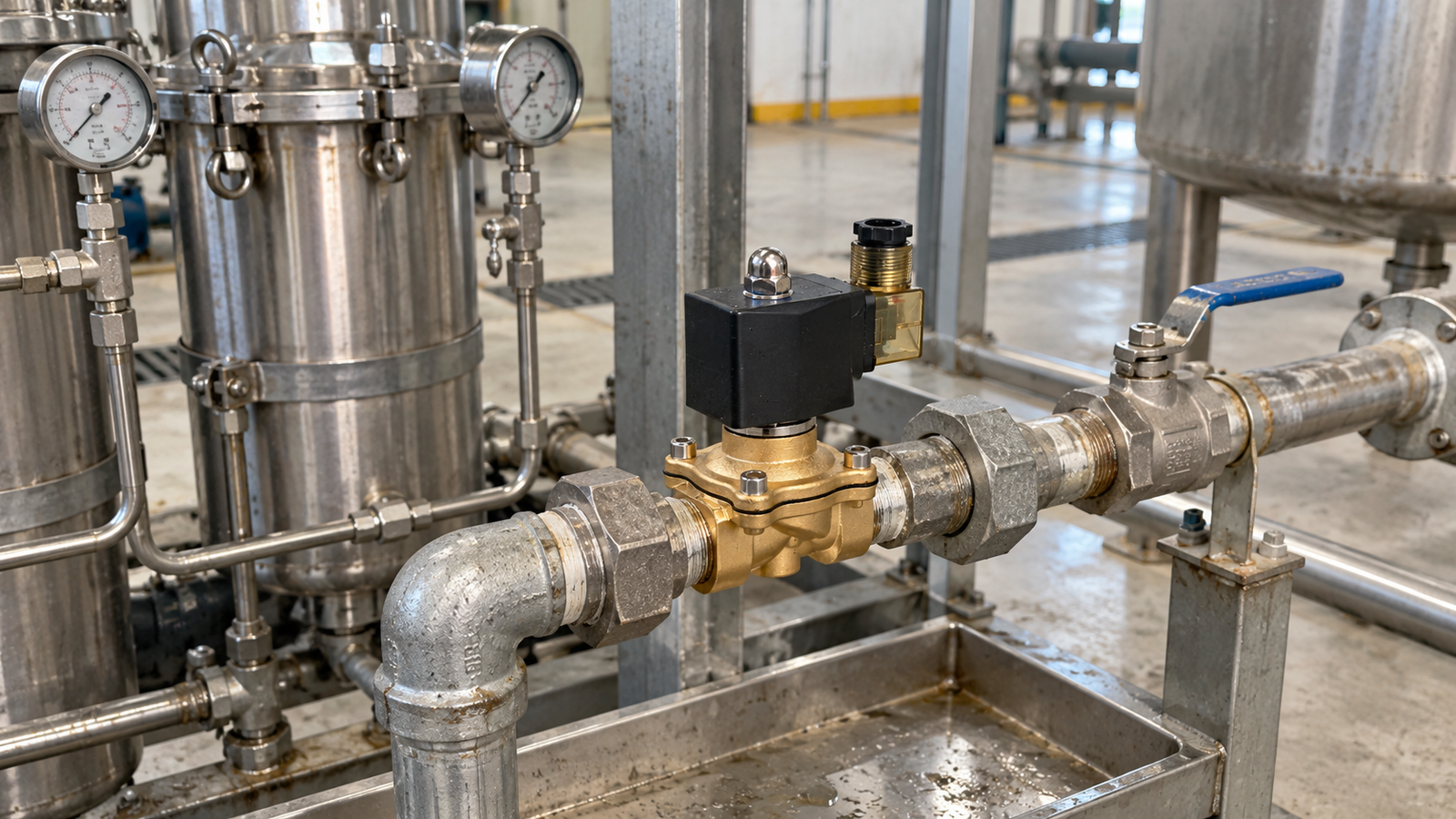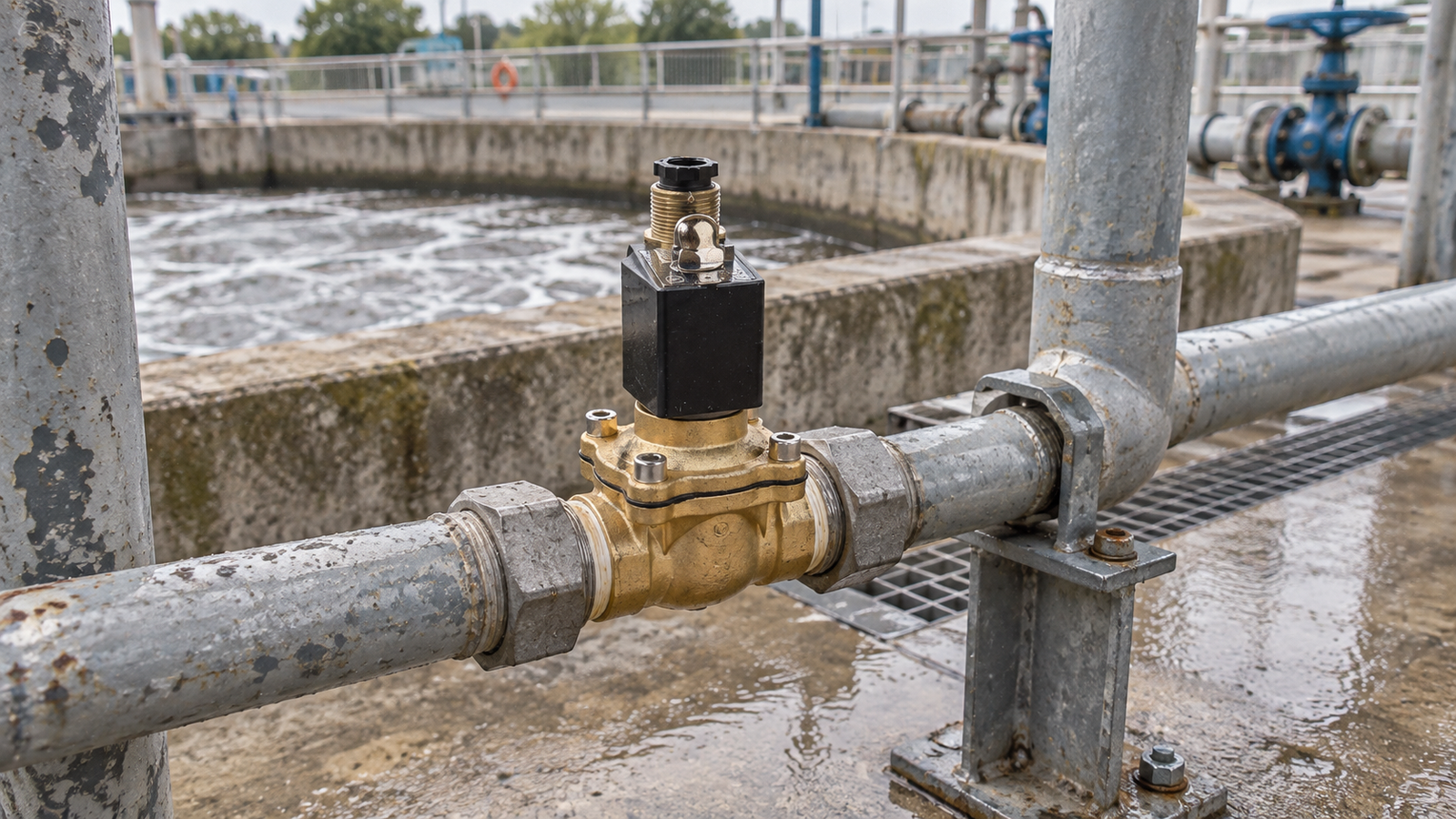
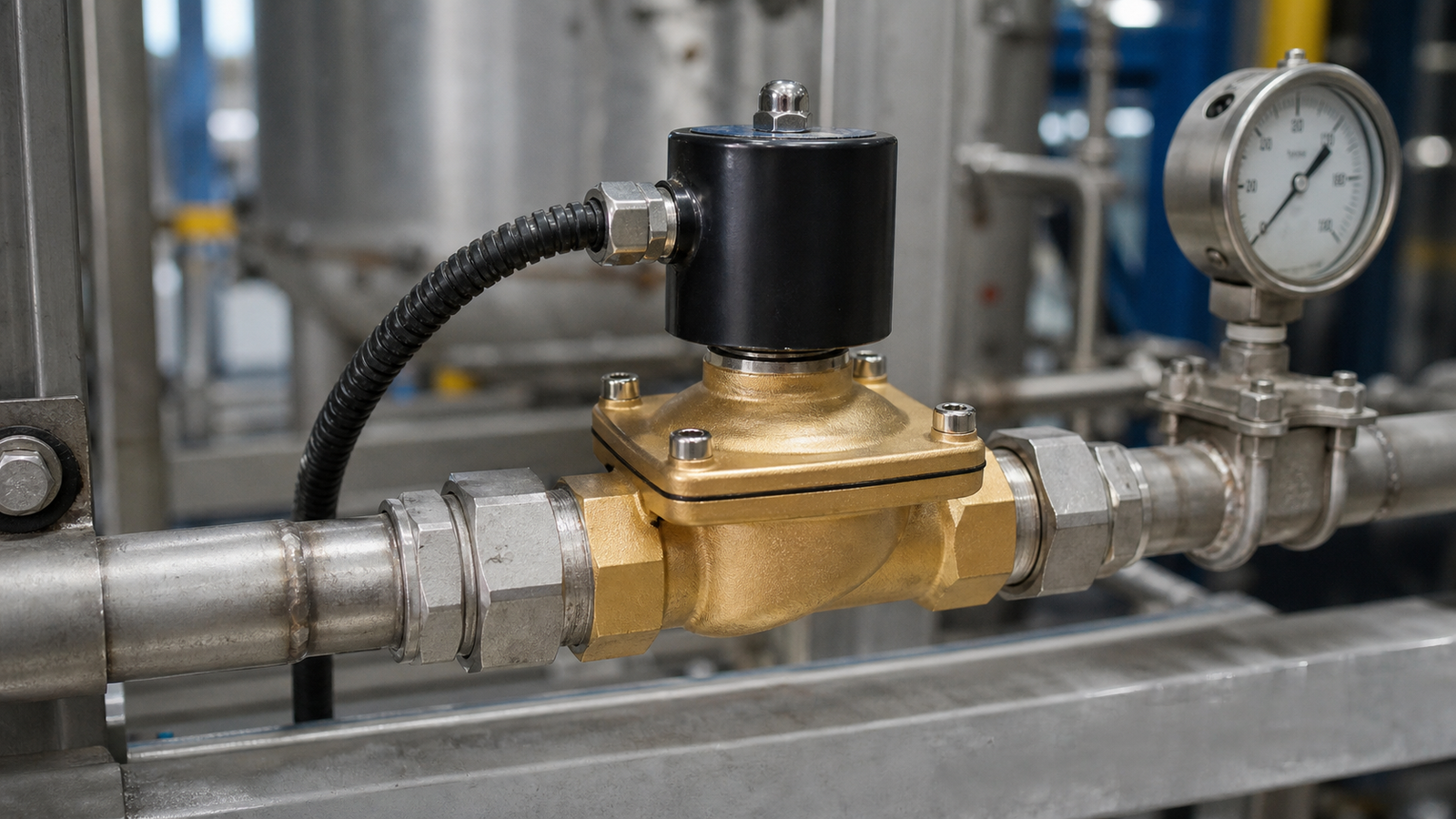
Industrial automation depends on repeatable action. Pumps, sensors, controllers, cylinders, tanks, and cleaning circuits all need flow to start and stop at the right moment. Solenoid valves help bridge the gap between an electrical control signal and physical movement of air, water, gas, steam, or liquid. When selected and installed correctly, they make automation faster, cleaner, and easier to manage.
Fast Switching With Clear Control Logic
A major advantage of solenoid valves is direct electrical control. A controller can energize a coil and change the flow state without manual intervention. This makes valves useful in filling, draining, cooling, pneumatic actuation, spraying, washing, and process protection. The more repeatable the valve response, the more predictable the automation sequence becomes.
However, the control logic should match the physical process. A valve may open quickly, but the line may still need time to pressurize or drain. Designers should account for delay caused by pipe length, media viscosity, pressure loss, and connected equipment. Good automation is not only about fast signals; it is about matching signal timing to real movement in the system.
Material Choice Supports Application Stability
Automation often places valves in repeated service, so material compatibility matters. Brass bodies are suitable for many common air, water, and light oil applications. Stainless steel can be selected where corrosion resistance, cleanliness, or harsher environments are important. Plastic bodies can support selected chemical or water treatment duties when compatibility favors non-metallic construction.
Seals should be chosen with the same care. Temperature, media chemistry, pressure, and switching frequency all influence seal life. A seal that performs well in cool water may not be suitable for hot media or certain chemical fluids. Reviewing these details during selection prevents many maintenance problems later.
Design Around Real Pressure Conditions
Automated systems can experience pressure changes during every cycle. A tank may empty, a pump may stop, a cylinder may reach the end of travel, or another valve may open at the same time. These conditions affect whether the valve opens fully, closes firmly, and remains stable. Selection should be based on the lowest and highest expected operating pressures, not only the normal value.
Where pressure difference is low or uncertain, designs that operate reliably under those conditions should be considered. Where flow demand is higher, the selected valve should provide enough capacity without creating unnecessary pressure loss. The aim is stable control, not simply maximum size.
Electrical Integration Matters
The coil is part of the automation system, so it should be reviewed together with the control hardware. Voltage type, available current, cable length, connector sealing, surge protection, and duty cycle can all affect operation. A valve that is mechanically suitable may still fail early if the coil is exposed to excessive heat or unstable power.
Control panels should be designed with the actual valve load in mind. In larger systems, multiple valves may switch at the same time. This can create momentary demand that should be understood during commissioning. Clear wiring labels and accessible connectors also make troubleshooting faster when production pressure is high.
Make Maintenance Part of Automation Design
Automated lines can hide small problems until they affect output. For this reason, valve locations should allow inspection and service. Filters should be accessible, coil connectors should be visible, and manual isolation should be planned where necessary. If a valve is difficult to reach, it will often be inspected less frequently, even when it is critical to the process.
Maintenance data should feed back into automation design. Repeated coil failures may point to heat or power issues. Repeated leakage may point to contamination or seal compatibility. Slow operation may point to pressure conditions or deposits. Each fault contains information that can improve the next version of the system.
Better Automation Is Built From Details
Solenoid valves are compact, but they influence the rhythm of an entire automated process. They help convert digital commands into reliable flow control, provided the selection respects media, pressure, materials, electrical conditions, and service access. When these details are handled carefully, plant automation becomes more stable and easier to maintain over the long term.