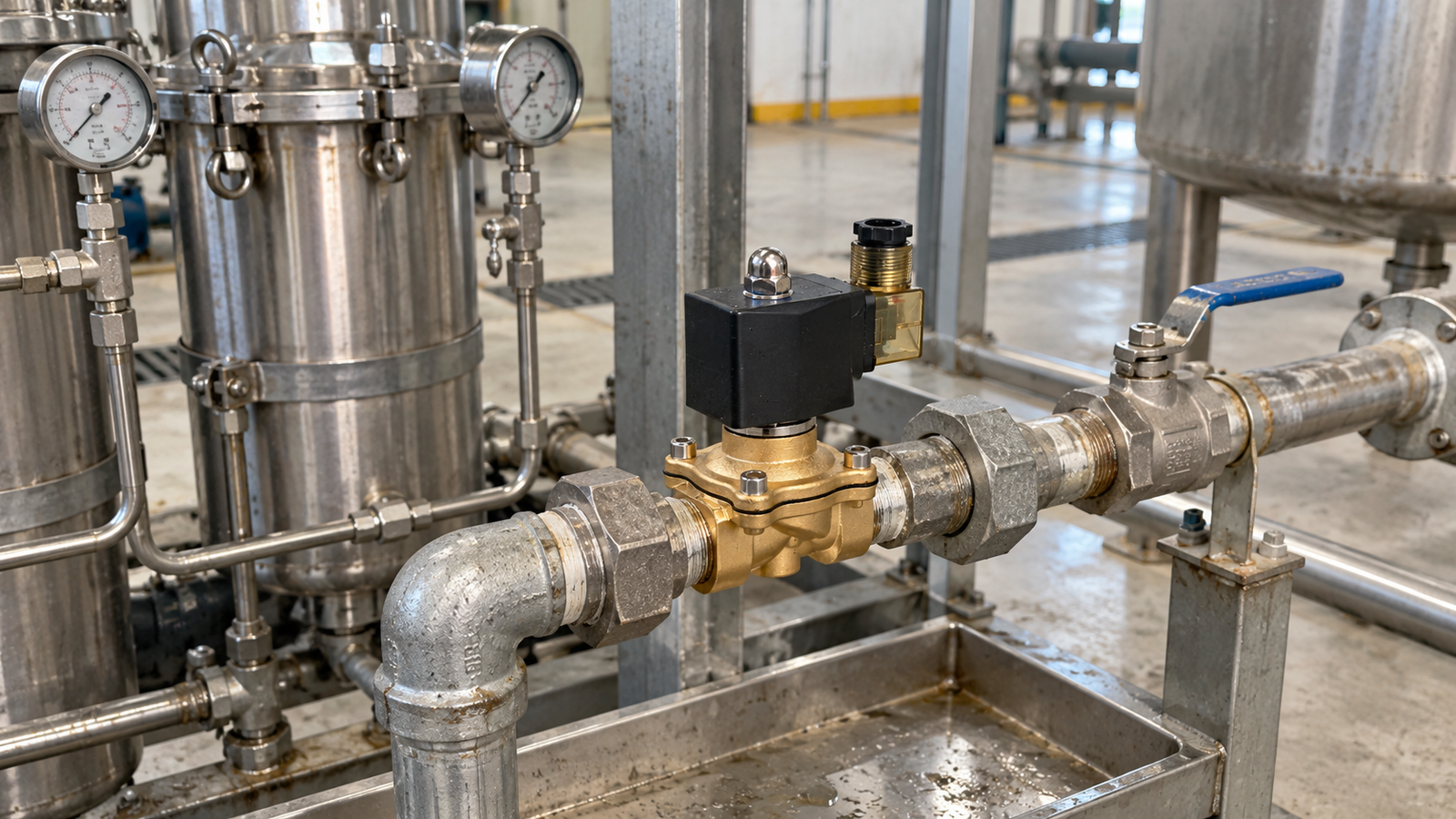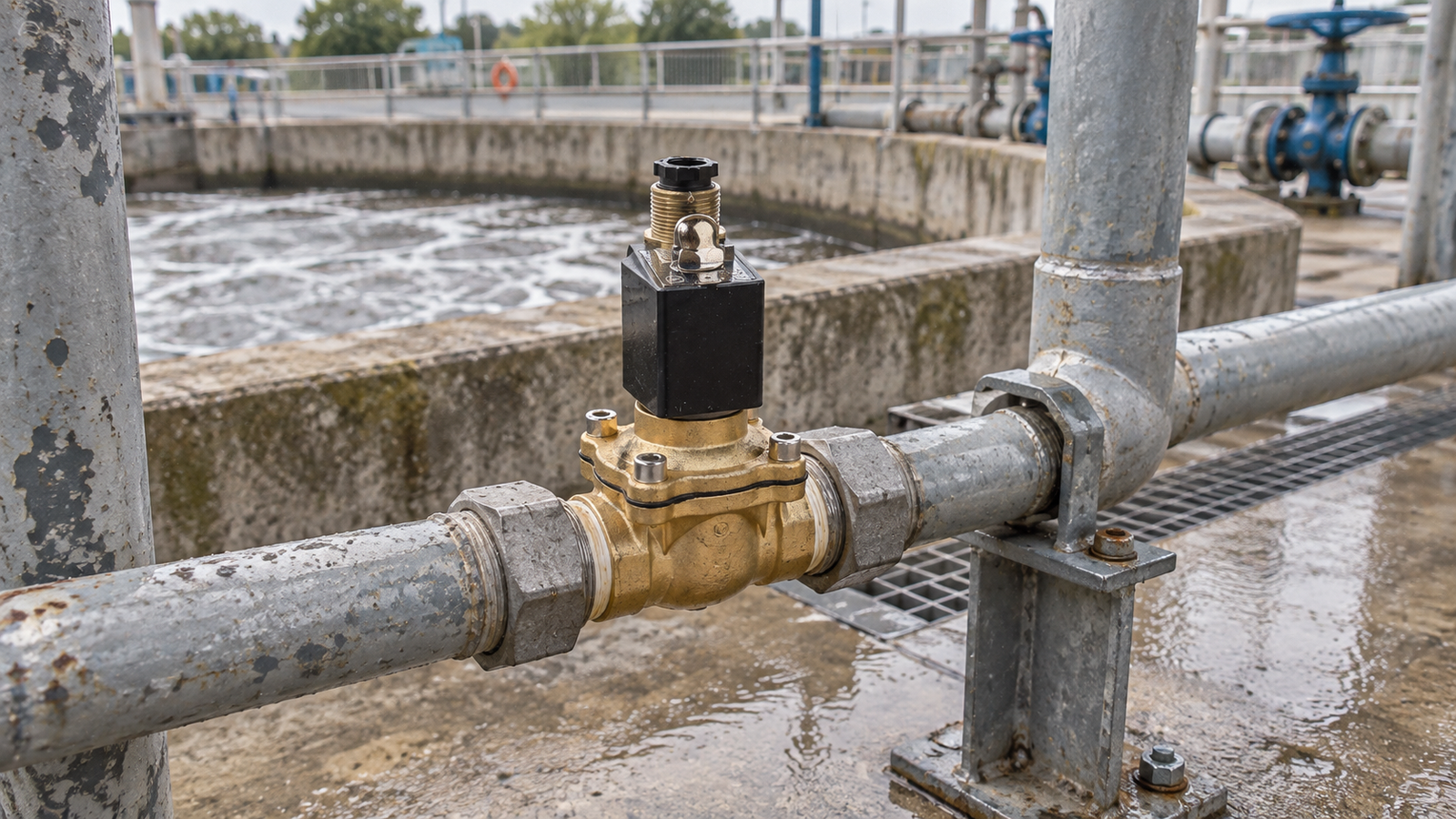
A solenoid valve is often judged by whether it opens and closes, but long-term performance also depends on a less visible decision: the match between the sealing material and the process fluid. The catalogue used for this guide presents valves for air, gas, water, steam, liquid and light oil, with several body and seal options. That range is useful because industrial duties vary widely. A sound selection considers not only the normal medium, but also temperature, pressure, cleaning practice, contaminants and the operating cycle.
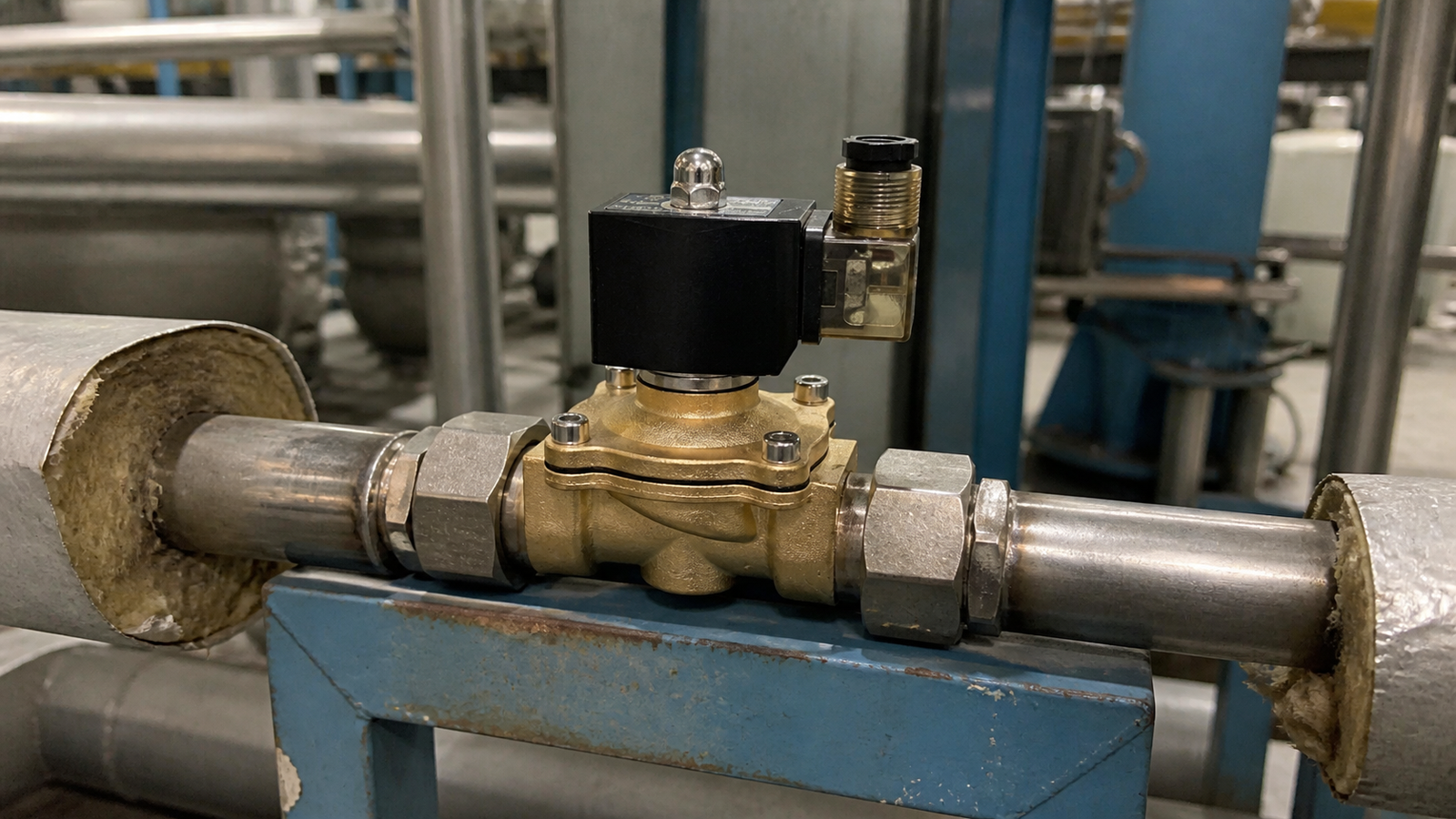
Set practical priorities for stable valve performance
Seals sit between moving and stationary parts, helping the valve shut off and control the fluid path. If the seal is not suitable for the medium, the result can be leakage, sticking, swelling, hardening or a shortened maintenance interval. These symptoms may appear gradually and can be mistaken for an electrical or control issue. Starting with a complete description of the duty gives the engineering and maintenance teams a better chance of recognizing material risk before the valve is installed.
Write down the fluid name, expected concentration, normal and maximum temperature, pressure range and any suspended material. Add details that are easy to overlook, such as flushing agents, wash-down chemicals, periods of high temperature and possible changes in the process. A line that normally carries water may still be exposed to oil during maintenance or to a cleaning solution during shutdown. The seal choice should reflect the full exposure, not only the most common fluid.
Coordinate material choices with the whole flow path
The seal is not selected in isolation. The catalogue includes brass, stainless-steel and plastic body choices, each of which should be evaluated against the process medium and the surrounding environment. A body material that suits the internal fluid may still need consideration for external moisture, heat or corrosion. The seal, body, pipe connection and nearby fittings together form the wetted system. Reviewing them as one group helps avoid a strong seal paired with a less suitable connection or valve body.
The catalogue identifies common elastomer options for general fluid duties, hot-water and steam conditions, and other applications, as well as a fluoropolymer material for broader resistance and higher-temperature service. These descriptions should guide the initial shortlist, not replace confirmation of the exact process conditions. Chemical concentration, exposure time and temperature cycling can alter compatibility. When a duty includes unusual fluids or cleaning chemicals, document the details clearly before asking for final selection support.
Test pressure and temperature assumptions
Temperature affects more than the fluid. It changes how a seal behaves, how quickly it ages and how it responds to repeated movement. A material that remains flexible at one temperature may become harder or softer at another. Pressure can add another challenge by increasing the force acting on the sealing surfaces. The best approach is to review the highest expected temperature and pressure together, including temporary peaks that occur during start-up, cleaning or process upset.
Pressure conditions also affect the operating principle. The catalogue distinguishes direct-acting arrangements from pilot-operated arrangements. Direct action can be useful where zero differential pressure is required. Pilot operation uses process pressure with an internal pilot function and therefore relies on an adequate pressure difference. This distinction should be reviewed across the whole cycle. A valve may appear suitable at the normal operating point yet behave differently when inlet and outlet pressure become similar during low load or shutdown.
Reduce contamination before it affects operation
Contamination can damage a seal or prevent the valve seat from closing correctly. Before installation, flush new or modified pipework to remove scale, thread compound, welding debris and loose particles. If solids are likely in normal service, fit suitable upstream filtration and make its inspection part of routine maintenance. A clean flow path does not just improve initial performance; it also reduces the chance that abrasives or deposits will accelerate wear over time.
Mount the valve where technicians can inspect and service it safely. Leave access for the electrical connector, fittings and isolation points. Support the pipework so weight and vibration are not transferred to the valve body. Follow the required flow direction for the selected configuration. For hot-fluid or steam duties, plan safe isolation, cooling time and access around insulation. These practical details make it easier to investigate a small problem before it becomes an unexpected shutdown.
Use start-up checks to confirm expected behavior
Commissioning is a valuable opportunity to check both the electrical and mechanical sides of the installation. The catalogue provides alternating-current and direct-current coil options, so confirm the supply voltage and, where relevant, frequency at the installation point. Inspect cable entry, terminals, strain relief and protective earthing according to site practice. Loose connections or damaged insulation can create intermittent operation that resembles a mechanical problem.
Test the valve through the same control logic it will use during normal operation. Observe response at start-up, at normal process conditions and after electrical power is removed. Record the process pressure, temperature and observed response. This baseline is useful when a later inspection finds leakage, slow movement or unexpected cycling. It allows the team to compare the current condition with a verified early result rather than relying on memory.
Learn from routine service observations
Routine inspection should look for external leakage, corrosion, damaged connectors, loose fittings and signs of overheating. When service is required, isolate and depressurize the line, allow hot equipment to cool, and keep exposed ports clean during disassembly. Replace sealing elements only with materials verified for the actual duty. After reassembly, complete controlled leak and function checks before returning the line to operation.
Record the medium, process conditions, material decisions and work completed. If a process fluid, cleaning method or temperature profile changes, revisit the compatibility review. Over time, these records reveal whether a recurring issue is related to contamination, electrical control, material selection or a changing process condition. In conclusion, careful seal selection and disciplined maintenance help industrial teams use catalogue information responsibly and maintain more dependable fluid control.