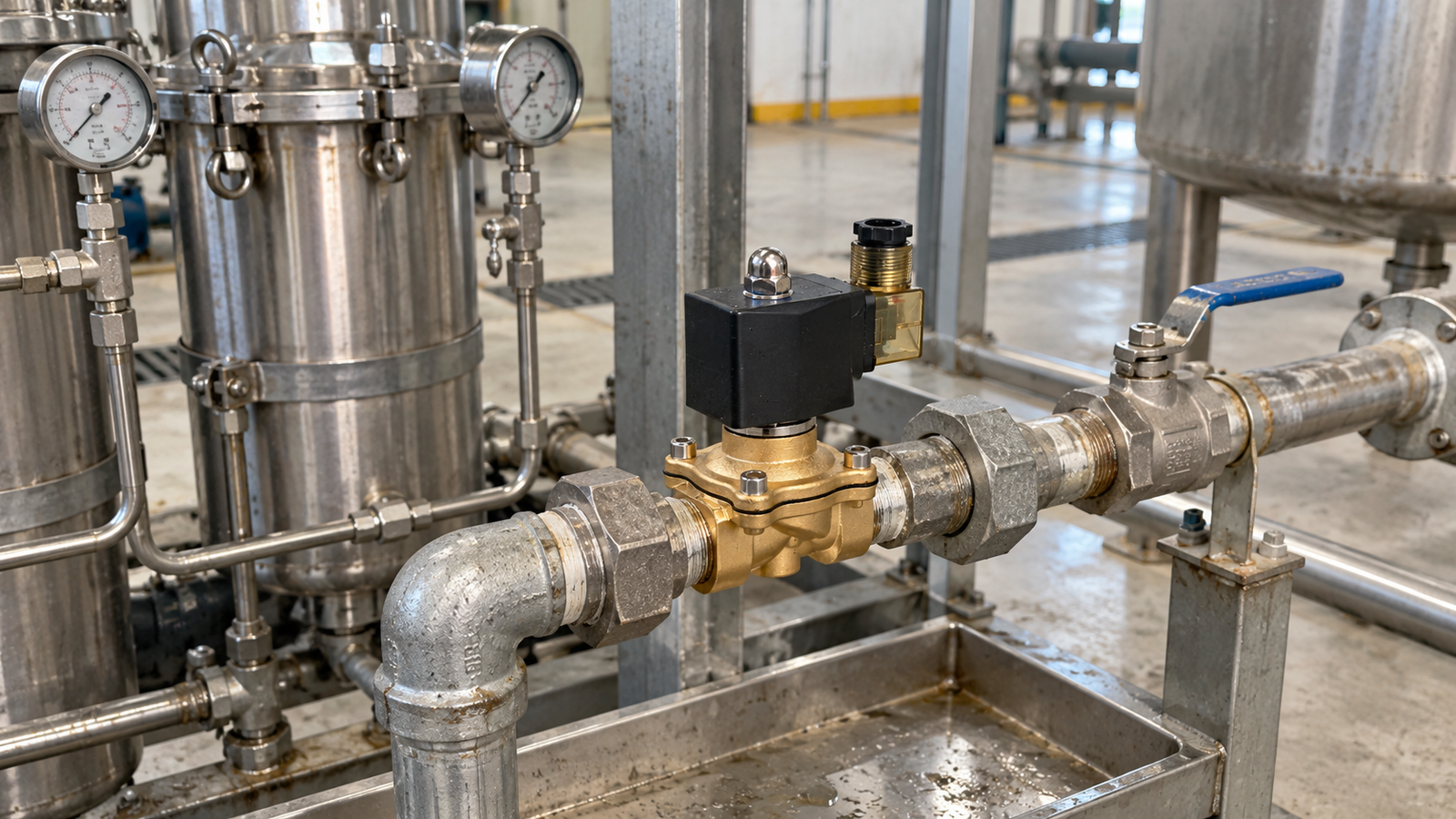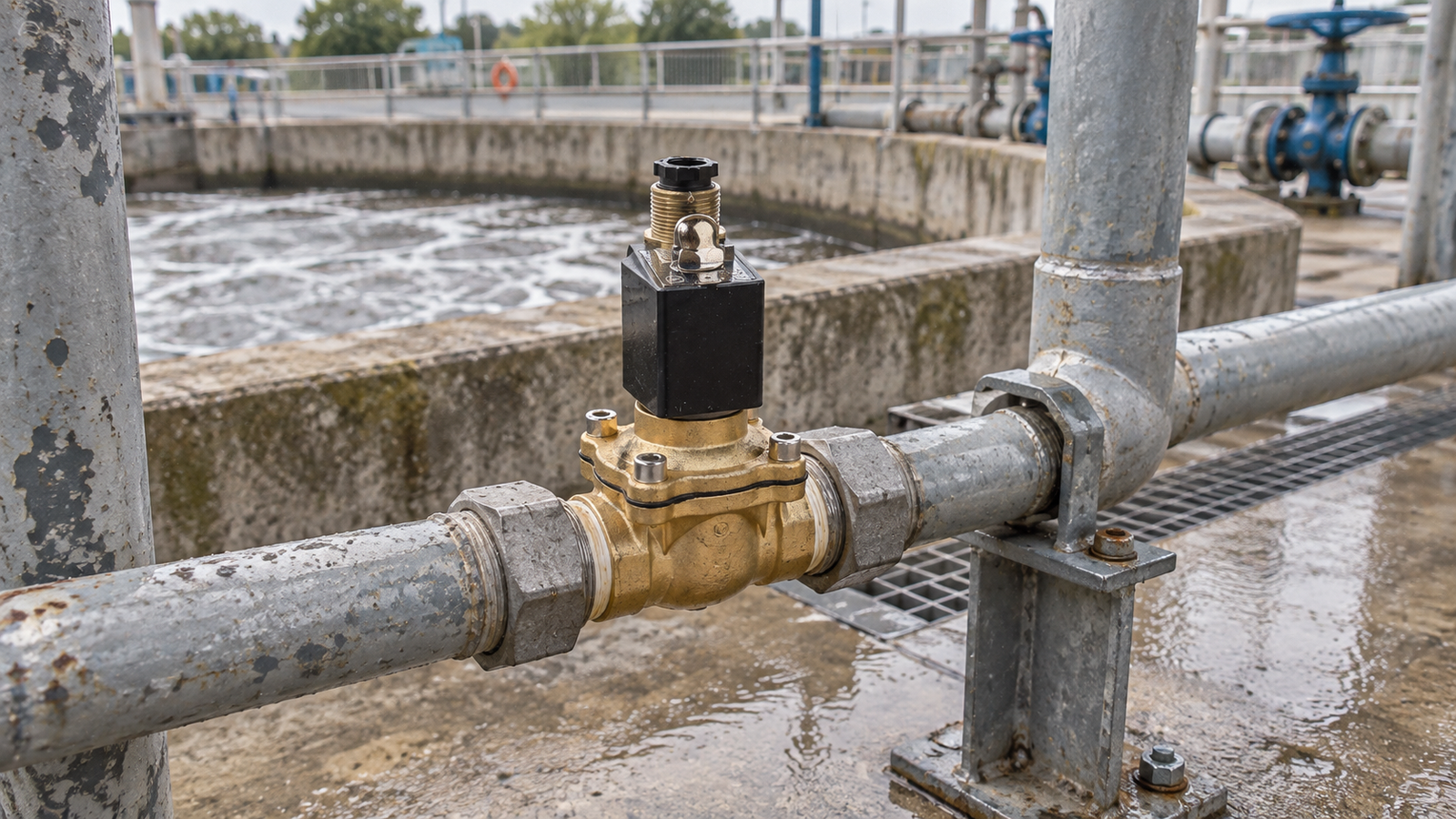

When specifying a 2-way solenoid valve for an industrial pipeline, it is easy to focus all your attention on the brass or stainless steel body. However, while the metal body withstands the external environment and internal pressure, it is the soft internal elastomer—the seal—that actually stops the fluid.
Choosing the wrong sealing material is the number one cause of internal leakage, premature valve failure, and unexpected facility downtime. If an elastomer is incompatible with your media, it will quickly swell, harden, or completely dissolve.
To ensure your 2-way valves deliver millions of leak-free cycles, here is a definitive engineering guide to the three most important solenoid valve seals: NBR, EPDM, and Viton.

1. NBR (Buna-N / Nitrile Rubber): The Industry Standard
NBR (Nitrile Butadiene Rubber) is the most common and cost-effective sealing material in the fluid control industry. If you purchase a standard, general-purpose 2-way solenoid valve, it will almost certainly come equipped with an NBR seal.
- Best Applications: NBR is the undisputed workhorse for neutral media. It is highly resistant to petroleum-based oils, mineral oils, water, and compressed air.
- Temperature Range: Typically rated from -10°C to 80°C (14°F to 176°F).
- The Weakness: NBR has very poor resistance to ozone, direct sunlight (UV rays), and harsh weathering. It should not be used in outdoor applications where it is exposed to the elements. Furthermore, it will quickly degrade if exposed to strong acids or brake fluids.
2. EPDM (Ethylene Propylene Diene Monomer): The Water & Weather Champion
When temperatures rise or the valve needs to be installed outdoors, EPDM is the engineered upgrade you need.
- Best Applications: EPDM is exceptional at handling hot water, low-pressure steam, and cooling fluids (like glycol/Freon). It also boasts outstanding resistance to ozone, UV rays, and aging, making it the perfect seal for outdoor agricultural irrigation systems and municipal water treatment plants. It is also compatible with mild alkaline solutions.
- Temperature Range: Typically rated from -30°C to 130°C (-22°F to 266°F), giving it a much better thermal profile than NBR.
- The Weakness (CRITICAL): EPDM has zero resistance to petroleum. Never use an EPDM seal with oil, gasoline, or hydrocarbon-based lubricants. Exposure to even trace amounts of oil will cause the EPDM seal to swell massively, instantly jamming your 2-way valve.
3. Viton (FKM / Fluorocarbon Rubber): The Premium Chemical Defender
Developed by DuPont, Viton is the commercial name for FKM. It is a premium fluoroelastomer designed for the harshest industrial environments. When NBR and EPDM fail, engineers turn to Viton.
- Best Applications: Viton is the ultimate “all-rounder” for aggressive media. It offers phenomenal resistance to a wide range of chemicals, including harsh acids, hydrocarbons, petroleum products, and solvent blends. It is the mandatory choice for petrochemical refineries, automotive fuel systems, and aggressive chemical dosing lines.
- Temperature Range: Viton excels in extreme heat, continuously operating in temperatures from -10°C up to 150°C (14°F to 302°F) or even higher in specialized formulations.
- The Weakness: The primary drawback of Viton is its cost; it is significantly more expensive than NBR or EPDM. Additionally, while it handles most chemicals perfectly, it is not recommended for steam or hot water applications, where EPDM actually performs better.
How to Make the Right Choice
To ensure your 2-way solenoid valve never leaks, follow this simple selection matrix:
- Is the media standard water, air, or light oil at room temperature? Choose NBR for the best cost-to-performance ratio.
- Is the media hot water, or is the valve installed completely outdoors? Choose EPDM for thermal and weather stability.
- Is the media a harsh chemical, acid, or high-temperature oil? Invest in Viton to guarantee system safety.
Conclusion
A 2-way solenoid valve is only as reliable as its internal seal. By taking the time to match the chemical properties of your fluid with the specific strengths of NBR, EPDM, or Viton, you transition from simply “buying parts” to engineering a truly resilient fluid control system.