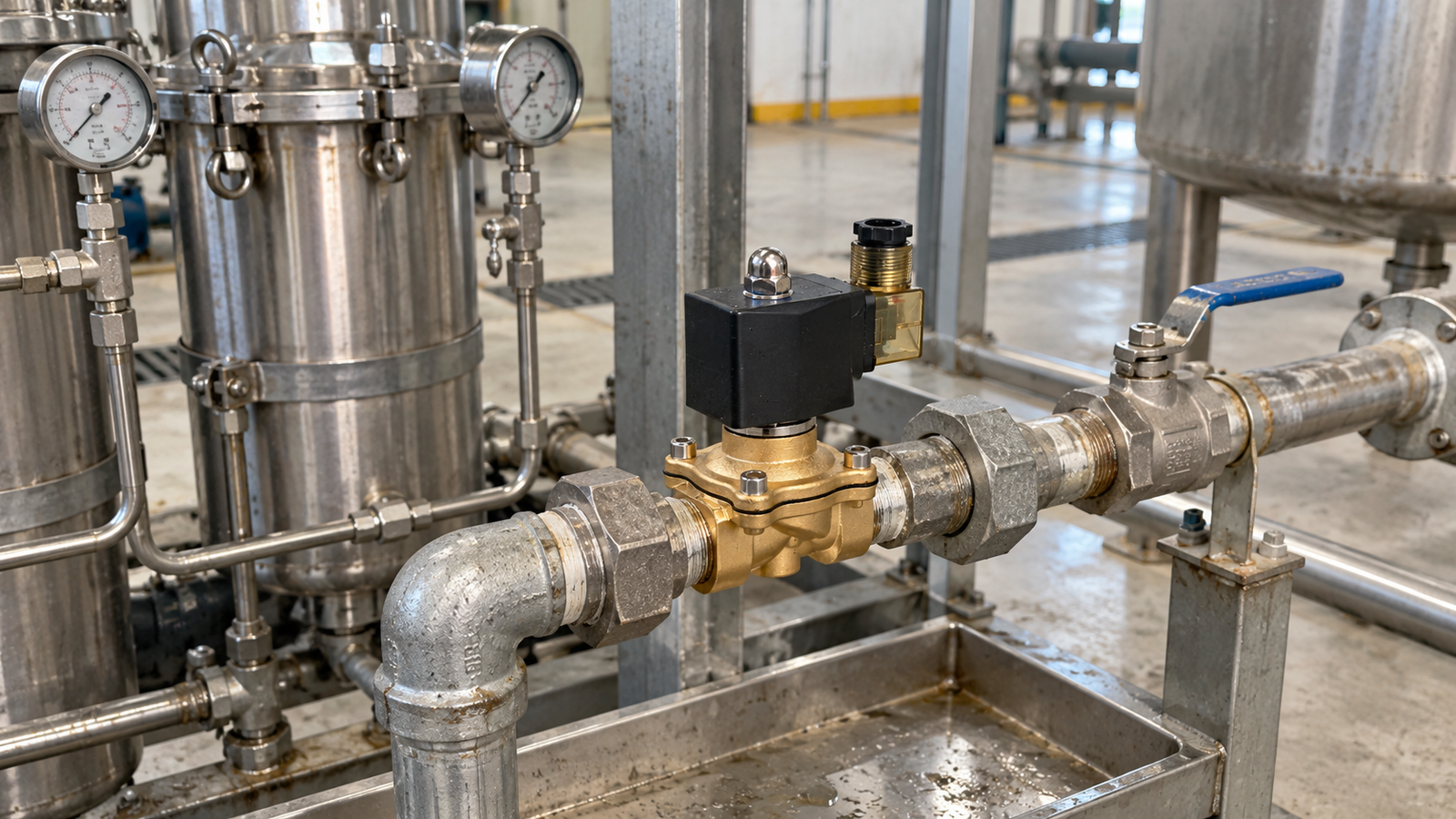
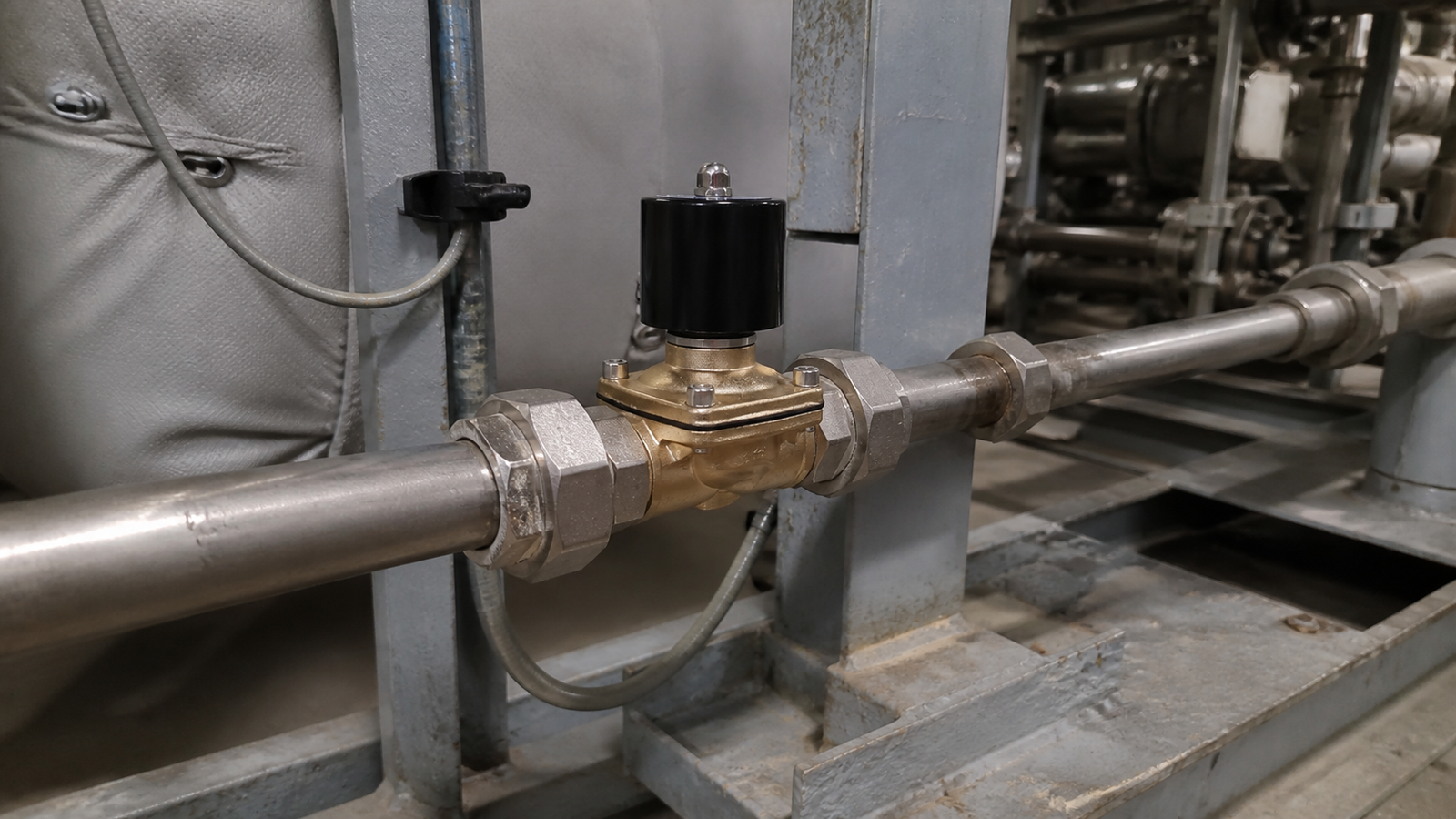
Industrial solenoid valves often look like small components in a much larger process line, but their influence is anything but small. They determine when air, water, gas, steam, light oil, or other compatible media can move, stop, vent, fill, or drain. When the valve operates cleanly, the whole line feels predictable. When it responds slowly or leaks, the problem can spread across pumps, actuators, tanks, cleaning circuits, and production schedules. That is why practical flow control planning should begin before the purchasing stage.
Begin With the Real Working Conditions
A strong selection process starts by describing the application in plain operational terms. What medium is moving through the valve? Is it clean or likely to carry particles? Is the line pressurized continuously, or does the pressure rise and fall during each cycle? Is the valve expected to remain energized for long periods, or will it switch frequently? These questions are not paperwork. They shape the correct body material, seal material, operating principle, coil type, and maintenance plan.
Many problems appear when a valve is selected from connection size alone. A valve may fit the pipe but still be wrong for the temperature, chemical environment, pressure difference, or duty cycle. A clean compressed air line is very different from a hot water line with scale. A neutral liquid line is different from a chemical dosing line. The more clearly the team describes the working conditions, the easier it becomes to choose a valve that behaves consistently after installation.
Match Materials to Media and Environment
Body material is one of the first practical decisions. Brass is widely used in general industrial applications because it provides a useful balance of strength, machinability, and cost. Stainless steel is preferred where corrosion resistance, cleanliness, or harsher service conditions are more important. Engineering plastics may be suitable in selected chemical or water treatment applications where compatibility points away from metal. The best material is not automatically the most expensive one; it is the one that fits the medium and the surrounding environment.
Seals require the same careful thinking. A seal must tolerate the medium, the temperature, and the way the valve operates. If the seal material is poorly matched, the result may be swelling, hardening, leakage, sticking, or short service life. In practical terms, seal selection should never be separated from media selection. They are part of the same decision.
Consider Pressure Behavior, Not Just Pressure Rating
Pressure rating tells only part of the story. Real systems have startup pressure, normal pressure, shutdown pressure, and sometimes momentary pressure changes caused by pumps, regulators, filters, or other valves. Some solenoid valve designs are better suited for low pressure or zero differential pressure, while others rely on a pressure difference to open and close properly. If the pressure difference disappears during part of the cycle, a valve that looks correct on a datasheet may not perform reliably in the line.
Flow capacity should also be matched carefully. Undersizing can create pressure loss, slow filling, weak actuator response, or unstable process timing. Oversizing can increase cost and sometimes make control less precise. A good plan balances capacity, response, and stability, instead of simply choosing the largest opening available.
Design Installation for Reliability
Installation quality has a direct effect on valve life. Flow direction must follow the valve marking. Pipe debris should be flushed before installation. Thread sealant should be used with restraint so excess material does not enter the valve. Upstream filtration should be considered whenever particles, scale, or rust are possible. A valve cannot remain reliable if the line continuously feeds contamination into the internal sealing area.
Access also matters. Technicians should be able to inspect the coil, connector, cable, and nearby filter without dismantling half the system. If the valve is buried behind pipework or insulation, routine checks are less likely to happen. A convenient installation layout is not a luxury; it is part of the maintenance strategy.
Protect the Electrical Side
The coil is the bridge between the control system and mechanical valve movement. Voltage type, voltage stability, cable length, connector protection, ambient heat, and duty cycle all influence coil life. A valve may be mechanically suitable but still fail early if the electrical environment is harsh. Continuous energizing can generate heat, and heat can age insulation. Moisture around connectors can create intermittent faults that are difficult to reproduce during troubleshooting.
Good control design includes proper power supply capacity, secure wiring, suitable connectors, and awareness of switching frequency. In automated systems, multiple valves may energize at the same time. The control panel should be sized and wired with the actual load in mind.
Build Maintenance Into the Plan
Reliable valves are supported by routine attention. Operators should watch for delayed switching, unusual sound, external leakage, rising coil temperature, and changes in downstream flow. Filters should be cleaned before pressure loss becomes severe. If deposits are found inside a valve, the team should investigate the source rather than only replacing the component.
Maintenance records are especially useful. A short note on installation date, medium, symptoms, cleaning interval, and corrective action can reveal patterns over time. When the same fault repeats, records help distinguish between contamination, selection mismatch, electrical stress, and installation issues.
A Practical System Mindset
Solenoid valves work best when they are treated as part of a complete flow control system. Materials, pressure behavior, electrical conditions, installation layout, and maintenance habits all shape the final result. When these details are reviewed together, the valve can deliver the repeatable switching that industrial automation depends on. Good planning does not make the component more complicated; it makes the application calmer, more predictable, and easier to support.